%20(1000%20x%201000%20px)%20(2000%20x%20100%20px)%20(2000%20x%20.png)


Malta's cultural life: art, architecture and the pleasure of living creatively
Malta offers a cultural life that is well worth getting to know. Beyond its remarkable architectural heritage, the islands have an active contemporary arts scene, with established institutions, independent companies, galleries, artists and creative practitioners contributing to a developing cultural landscape.
For anyone who values art, design, theatre, music and ideas, there is considerable variety to discover. And I would argue that access to culture is an important part of choosing somewhere to live. A healthy cultural life contributes to a healthy society. It gives people opportunities to connect, question, learn, be entertained and occasionally see the world from an entirely different perspective. All rather useful things, really.
Contemporary art: looking forwards
Malta's relationship with art is deeply embedded in its history, but its contemporary art scene is increasingly looking outwards.
One of the most significant developments is the Malta International Contemporary Art Space (MICAS), situated within the historic fortifications of Floriana. Dedicated to modern and contemporary art, it brings international artists and exhibitions to the islands, creating a new platform for artistic exchange.
Valletta Contemporary is another important independent gallery, providing a space for Maltese and international artists and contemporary artistic practice.
Beyond the larger institutions, independent galleries, studios and artist-led initiatives add considerable variety. For collectors and those with an interest in contemporary art, there is an emerging creative landscape worth exploring.
Architecture and design: a conversation between old and new
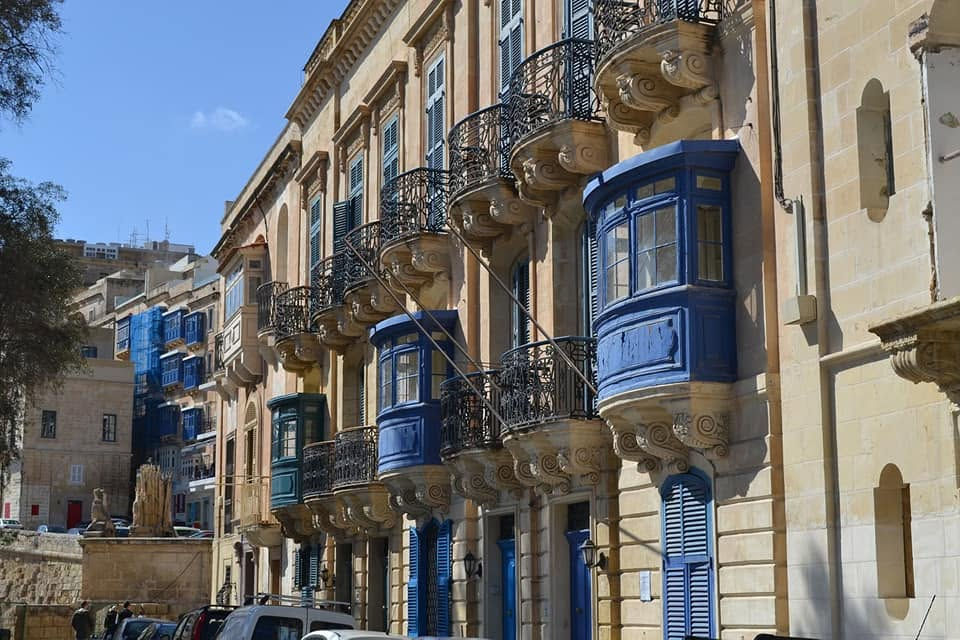
It is difficult to spend much time in Malta without developing an interest in its architecture. The islands offer an extraordinary mix of Baroque palaces, fortified cities, traditional townhouses and limestone village properties, alongside contemporary buildings and carefully considered restorations.
The relationship between old and new is particularly interesting. Historic buildings are being adapted for modern living, hospitality, commercial use and cultural activity. The quality of these interventions matters, and the best examples demonstrate how historic architecture can retain its character while accommodating contemporary life.
Malta also has connections to the international design world. Maltese-born designer Francis Sultana, recognised for his work in furniture and interior design, is one example of the creative talent that has developed an international reputation.
For anyone considering property in Malta, architecture is more than an aesthetic consideration. The character of a building, its original features and the quality of any restoration can make a considerable difference to the experience of living there.
Theatre and the performing arts: more than the grand stages
Theatre in Malta has a long history, with some remarkable venues. Teatru Manoel in Valletta, one of Europe's oldest working theatres, remains an important part of the islands' cultural life. Its intimate Baroque auditorium provides a setting for opera, drama, music and dance.
Pjazza Teatru Rjal, built within the remains of Valletta's former Royal Opera House, offers a very different setting for performance. The open-air venue hosts a varied programme, while seasonal productions in places such as the gardens of San Anton bring theatre into some rather beautiful surroundings.
But I would encourage anyone interested in the arts not to stop at the established institutions. There is a lively independent theatre sector producing work across a range of genres and scales.
FM Theatre Productions, founded in 1998, has developed a substantial repertoire of musicals, drama and comedy. Its Theatre Next Door venue in Magħtab adds an important performance and rehearsal space to the island's cultural infrastructure, with a black-box theatre and dedicated studio facilities.
Hoi Polloi Theatre Company has developed from its grassroots beginnings into an established theatre organisation, combining professional productions with opportunities for emerging performers and young talent.
Masquerade Theatre Company, founded in 1997, is another significant independent producer. Its M Space complex in Msida brings together performance, training and creative development, including the intimate Blue Box theatre.
These companies are important. They create opportunities for artists, develop audiences, nurture talent and bring a range of theatrical work to the stage. A cultural scene needs its major institutions, of course, but it also needs independent producers prepared to experiment, take creative risks and develop new work. Otherwise, the programme can become rather predictable.
There is also a national structure supporting the professional performing arts. The National Agency for the Performing Arts (NAPA) was established in 2023 to raise the profile and sustainability of the sector, both locally and internationally. It administers and supports three national companies: Teatru Malta, ŻfinMalta and KorMalta, representing theatre, contemporary dance and choral music respectively.
For anyone interested in dance, ŻfinMalta is particularly worth following. Working with Maltese and international choreographers, it contributes to the development of contemporary dance and the wider professional arts sector.
Opera also has a strong following, with performances and festivals taking place across Malta and Gozo. The Valletta Baroque Festival is a notable annual event, bringing international musicians into some of the islands' most distinguished historic buildings.
Music: from the concert hall to the village square
Music is an established part of Maltese cultural life, with a programme that extends well beyond classical performance.
The Malta Philharmonic Orchestra is the country's principal orchestral institution, performing regularly at home and representing Malta internationally. Its touring history includes performances in Europe, China, Russia, the United States and the Middle East, as well as collaborations with internationally recognised soloists and conductors. Importantly, its international programmes have also provided opportunities to showcase the work of Maltese composers.
Beyond the orchestra, audiences can find jazz, contemporary music, rock, electronic music and international touring artists. Valletta and other urban centres offer smaller venues and independent performers, while festivals and outdoor events add to the programme.
There is something really appealing about the variety. An evening might involve a classical concert in a historic setting, a jazz performance in a smaller venue or live music overlooking the Mediterranean. It's a great choice of evenings!
Festivals, ideas and creative exchange
Festivals and multidisciplinary cultural programmes bring together many of the strands of Malta's creative life.
The Malta International Arts Festival presents work across music, theatre, dance and visual art, offering opportunities to encounter both local and international artists.
Spazju Kreattiv, based at St James Cavalier in Valletta, is another important part of the cultural landscape. Its programme encompasses exhibitions, film, theatre, music, talks and creative projects, providing a platform for established practitioners and emerging voices.
These organisations contribute more than an events calendar. They create opportunities for collaboration, encourage new ideas and connect Malta's cultural community with wider international developments.
Gozo: a distinct cultural identity
Gozo has its own established cultural institutions and performing arts traditions. Victoria is home to Teatru Astra and Teatru Aurora, both of which have important roles in the island's opera and performance life.
The annual opera season attracts audiences from across the Maltese Islands and beyond, and is a distinctive feature of Gozo's cultural calendar.
The island also has a longstanding association with artists and creative practitioners, drawn by its landscape, architecture and quieter pace of life.
Malta’s cultural life also has a strong contemporary music scene, with the islands increasingly attracting international dance festivals, leading DJs and audiences from across Europe and beyond. Events such as Glitch, Defected Malta and Liquid Spirit Gozo have helped establish the islands as an increasingly important destination on the Mediterranean electronic music circuit, adding another dimension to a cultural landscape that extends well beyond the traditional arts.
Making culture part of everyday life
I have always believed that the arts are fundamental to a healthy, confident and outward-looking society. They provide entertainment, certainly, but they also challenge perspectives, encourage debate, support creativity and bring communities together. They make life richer in ways that are not always easy to measure.
Malta has an interesting cultural proposition. Its scale makes many venues and events accessible, while its international connections bring artists, performers and ideas to the islands throughout the year. The programme changes with the seasons, and some events are occasional rather than permanent fixtures.
Following the work of individual organisations is often the best way to discover what is happening.
Article: Zanna Hornby
For anyone considering buying a home, renting or spending a significant part of the year in Malta or Gozo, cultural life deserves a place in the decision-making process, alongside location, architecture, climate and practical amenities.
A beautiful property provides the setting. The people, places, ideas and experiences beyond its walls help make somewhere feel like home.
Malta Property Finders helps people looking to buy or rent property in Malta and Gozo make informed choices, with introductions to established local property professionals.
Disclaimer
The information on this website is provided for general information purposes only. While we make reasonable efforts to ensure its accuracy, information, property details and regulations may change.
Nothing on this website constitutes legal, financial, tax or professional advice.
Any references to individual organisations, businesses, venues or events are included for illustrative purposes and reflect our own editorial perspective at the time of writing; they should not be taken as an exhaustive list, an endorsement, or an intention to exclude other relevant providers.
Malta Property Finders operates independently, providing property-finding assistance and introductions to local property professionals. Information supplied by third parties should be independently verified.
We recommend seeking appropriate professional advice and undertaking due diligence before making any property-related decisions.

Comments